
Start with Veritasium to watch a misconception get tested, Deep Look for small animals filmed up close, or PBS Space Time if you want physics that asks something of you.
These 30 science YouTube channels cover physics, astronomy, biology, chemistry, Earth science and engineering, from short macro films to lectures that run over an hour. Each has two starting videos below and a note on the kind of claim you're hearing: settled science, research still in progress, or a deliberate what-if.
Where to start
| You want | Start with |
|---|---|
| An experiment you can follow with no background | SmarterEveryDay |
| A misconception put to the test | Veritasium |
| Physics in depth (school physics helps) | PBS Space Time |
| Astronomy news from a working astrophysicist | Dr. Becky |
| Small animals filmed up close | Deep Look |
| Microscopic life to watch slowly | Journey to the Microcosmos |
| Chemistry with the chemists in the room | Periodic Videos |
| Geology from someone standing on it | Nick Zentner |
| Fossils and deep time | PBS Eons |
| The physics inside everyday infrastructure | Practical Engineering |
How we picked these
What sold us on Veritasium was the second electricity video. Viewers had questioned Derek Muller's explanation of how a light bulb gets its energy, so the follow-up put it to the test with a real circuit. We looked for that kind of care across the list. After that, it came down to who could make a tricky idea clear and leave you wanting to watch another video. We didn't count subscribers, and a PhD alone didn't get anyone in.
Each entry notes the kind of claims you'll usually hear. Established means well-tested science or engineering. Frontier means active research, where results can change. Speculative marks hypotheses, scenarios and what-if questions explored on purpose. These labels describe a channel's typical mix, not every upload, so the entries also flag starters that lean frontier or speculative.
Availability can vary by country. Health and safety topics come up on several channels: treat them as explanations of research, not advice for you. The chemistry and engineering experiments are for watching, not repeating.
The top 10
1. Veritasium

Physics and engineering · Experiments and long explainers · No background needed · Established, some frontier
Derek Muller's channel often begins with something you were taught and asks whether it's really true. The electricity pair shows that method at full length. The first asks how electromagnetic fields carry energy from a battery to a bulb. The follow-up measures when voltage first appears at the load and compares the result with simulations.
Watch them in order: the follow-up is where the claim meets measurement. Its description thanks the physicists and engineers who helped and lists electrical-engineering YouTubers, including AlphaPhoenix. That willingness to test a claim in public is the reason to choose Veritasium. Its titles can make a careful result sound more absolute than it is, so give the explanation time before deciding exactly what was claimed.
Start watching: The Biggest Misconception About Electricity (14:48); How Electricity Actually Works (24:30).
Veritasium on YouTube.
2. SmarterEveryDay

Mechanics, fluids and biology · Hands-on experiments and slow motion · No background needed · Established
Destin turns a question into something you can watch happen. In the backwards bicycle, one change to the steering becomes a lesson in unlearning: the description says riding it took eight months of short daily attempts. The Prince Rupert's drop film uses footage shot at 130,000 frames per second to watch the failure race through a glass droplet, a long-standing scientific puzzle.
This is the easiest channel here to recommend to someone who thinks they don't like science. Both starters are short and stand alone. The bicycle shows what it takes to relearn a familiar skill.
Start watching: The Backwards Brain Bicycle - Smarter Every Day 133 (7:58); Mystery of Prince Rupert's Drop at 130,000 fps - Smarter Every Day 86 (6:38).
SmarterEveryDay on YouTube.
3. PBS Space Time
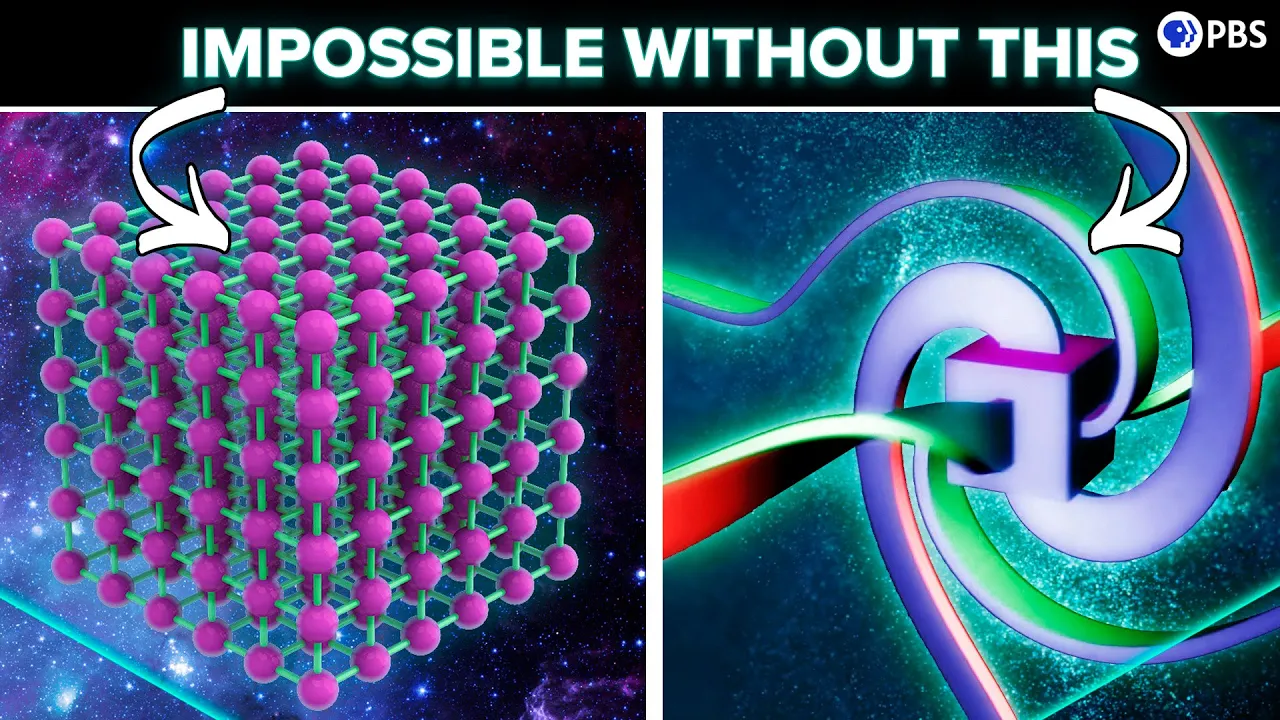
Astrophysics, relativity and quantum physics · Scripted explainers with graphics · School physics helps · Established, frontier and speculative
Astrophysicist Matt O'Dowd, an associate professor of physics at Lehman College, hosts and writes for the series. The episodes move quickly from familiar physics toward the edge of current research. The spin episode explains why you don't fall through your chair, starting from the fact that every electron is identical. The second starter asks whether the conditions for intelligent life could be so rare that Earth is alone.
Choose it when you're ready to pause and rewind. The pair shows the range of claims you'll meet: the spin episode rests on well-tested quantum mechanics, while the second explores the Rare Earth hypothesis and anthropic reasoning, which are arguments rather than findings. Listen for "might", "if" and "proposal".
Start watching: How Electron Spin Makes Matter Possible (19:29); Why We Might Be Alone in the Universe (15:58).
PBS Space Time on YouTube.
4. Practical Engineering
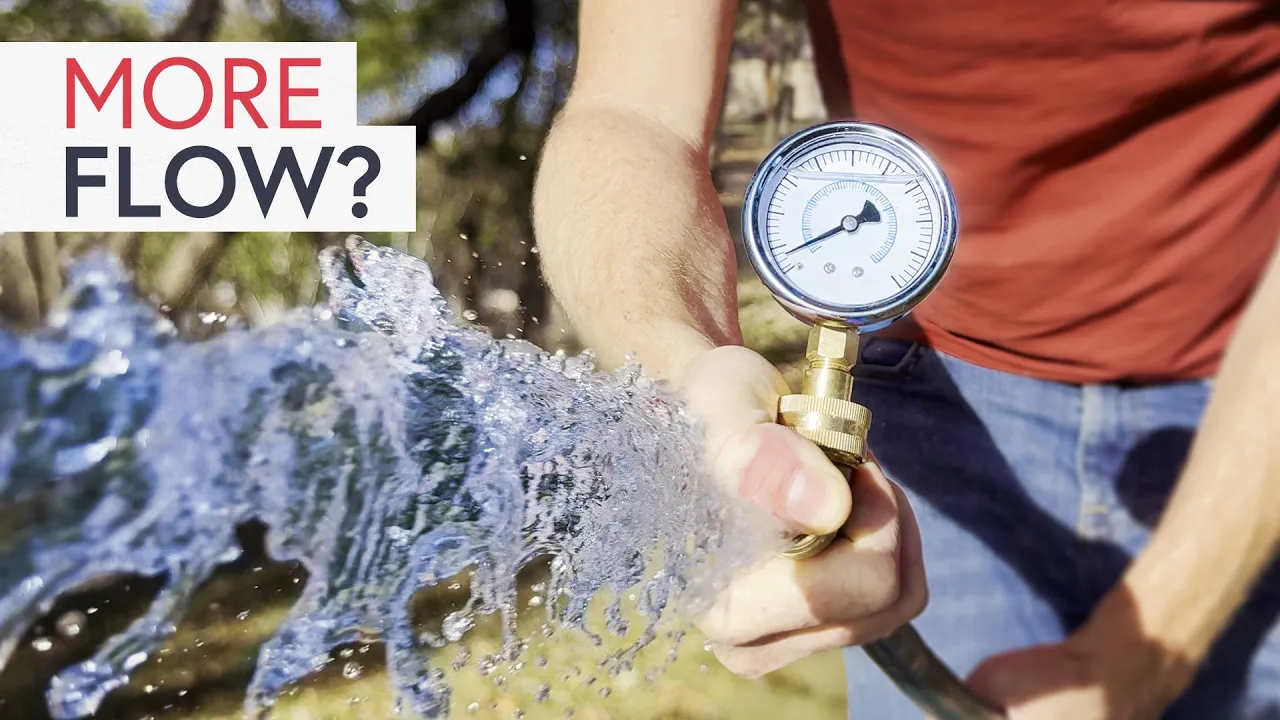
Civil engineering and fluid mechanics · Models, demonstrations and site footage · No background needed · Established
Civil engineer Grady Hillhouse often builds an explanation around something you can see. The thumb-trick episode starts with a garden hose and works through flow, pressure and energy losses, the same trade-offs that shape pipes and water systems. The washboard episode asks why unpaved roads develop those evenly spaced ripples, and why the physics turns out to be stranger than it looks.
In our educational channels guide, Practical Engineering is a way into the built world. Here, choose it for the physics underneath. Both starters are from 2026 and stand alone. They explain mechanisms; they aren't design advice for your own plumbing or driveway.
Start watching: The Physics Behind the Thumb Trick (17:42); Why Roads Get Washboards (17:54).
Practical Engineering on YouTube.
5. Dr. Becky
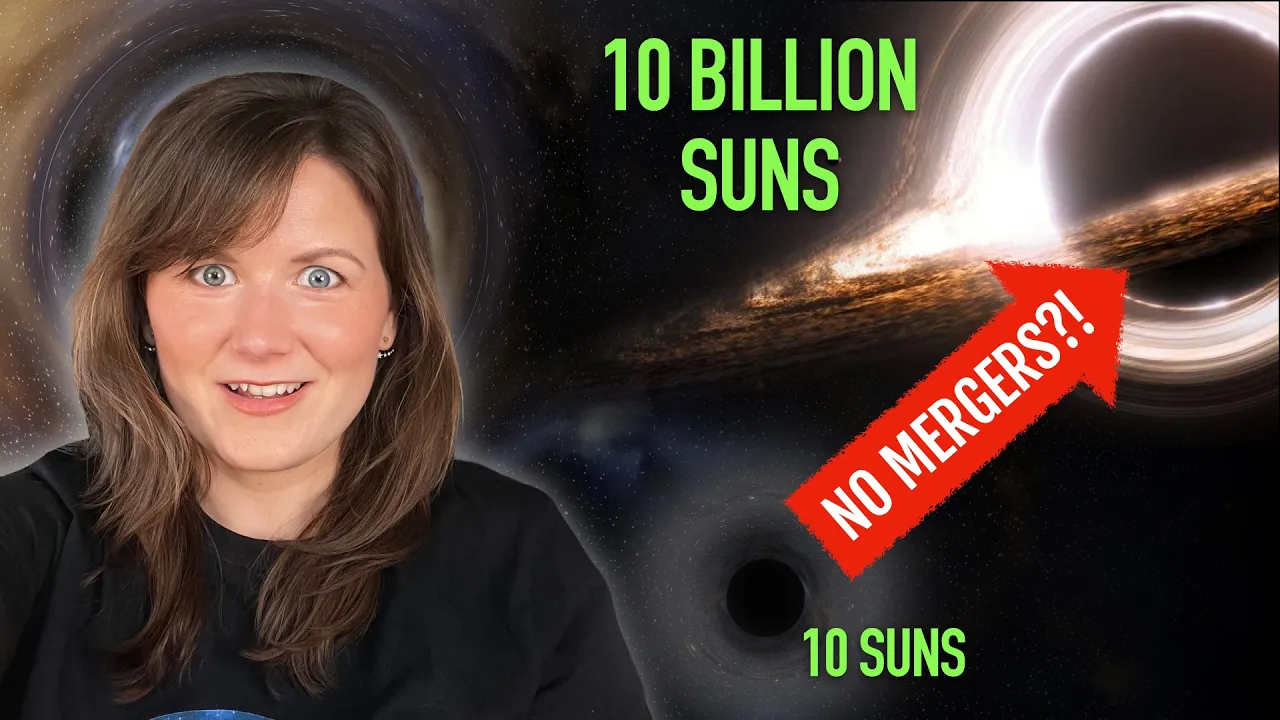
Astronomy and astrophysics · Presenter-led explainers and monthly news · Light astronomy vocabulary · Established and frontier
The channel introduces Becky Smethurst as an astrophysicist at the University of Oxford, researching how growing supermassive black holes affect the galaxies around them. That makes the black-hole starter a natural first step: it explains how these objects reach millions or billions of times the Sun's mass, including how they can grow in galaxies that have never merged. The Viking episode revisits a 50-year argument over whether NASA's landers detected life on Mars.
Choose this channel to learn the difference between what a study measured and what the headlines said. The monthly Night Sky News episodes round up recent research; they're current by design, so check the date and expect later work to refine them. The Viking story shows why: an exciting signal, a contested interpretation and decades of follow-up.
Start watching: How do black holes get so SUPERMASSIVE? (18:03); Did we find LIFE on Mars 50 years ago? | The Viking Controversy (20:42).
Dr. Becky on YouTube.
6. Deep Look
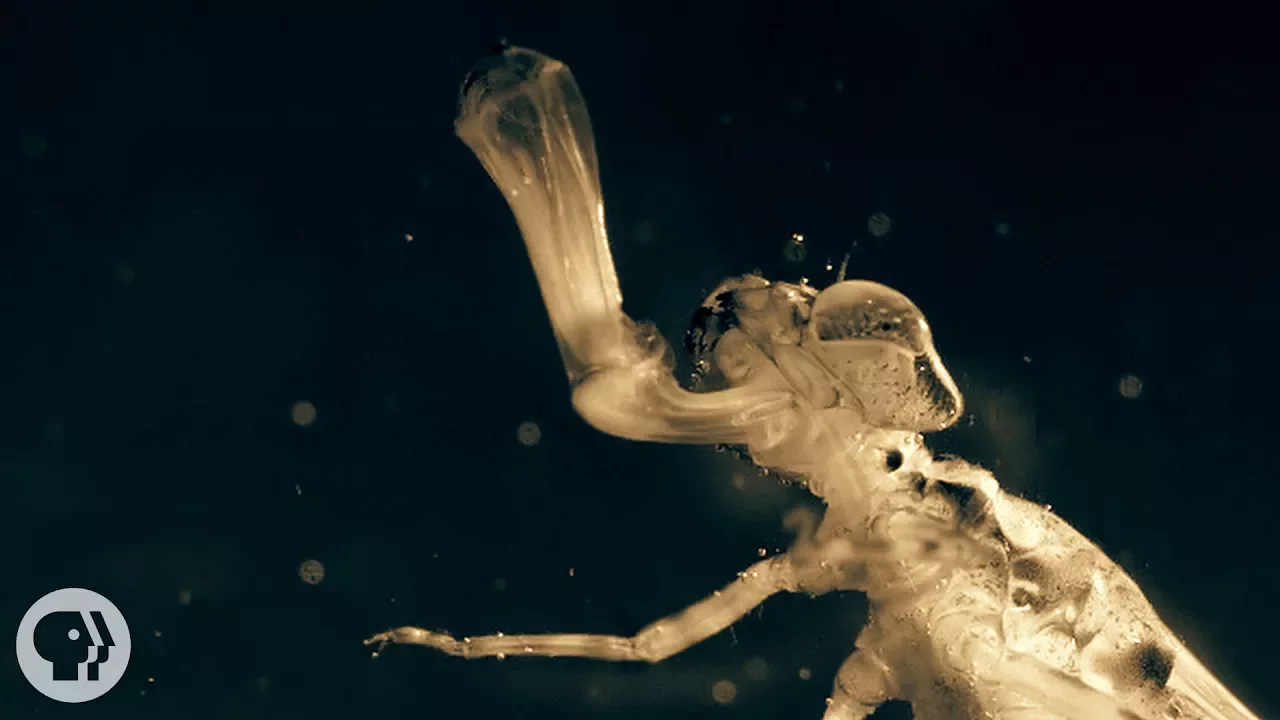
Animal behavior and anatomy · Short macro and microscope films · No background needed · Established
Deep Look, from KQED and PBS Digital Studios, films small creatures through macro lenses and microscopes, then explains what you're seeing in a few minutes. The dragonfly film shows an underwater nymph's hinged lower lip shooting out to grab prey. The slime mold film follows a pulsing, brainless organism as it spreads in search of food.
This is the pick for a short, satisfying look at biology. The footage carries the evidence, and the narration stays close to the anatomy and behavior on screen. Both starters run four minutes or less and fit in a coffee break. Some close-ups of predators at work are intense. The slime mold film is a collaboration with Be Smart.
Start watching: A Baby Dragonfly's Mouth Will Give You Nightmares | Deep Look (4:00); This Pulsating Slime Mold Comes in Peace (ft. It's Okay to Be Smart) | Deep Look (3:06).
Deep Look on YouTube.
7. HHMI BioInteractive
Evolution, genetics and ecology · Classroom films and animations · Introductory biology helps · Established
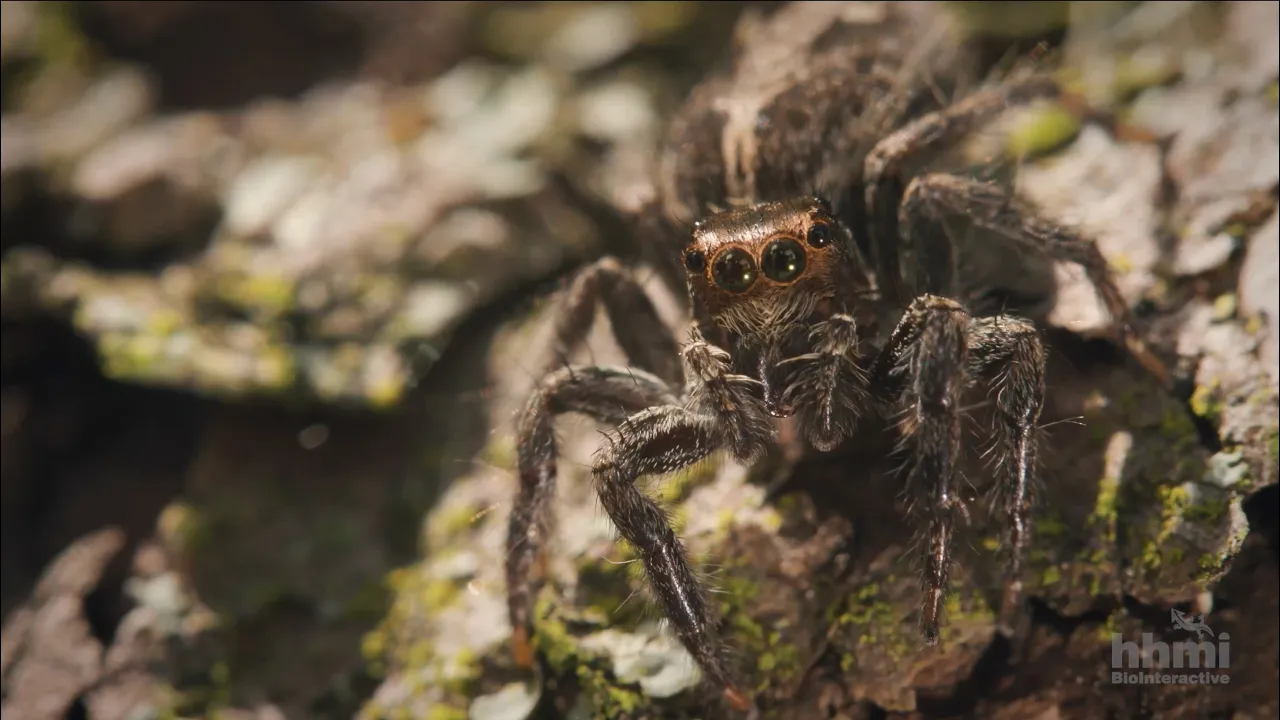
The Howard Hughes Medical Institute makes films for high school and college classrooms. Both starters are built around a research question. The spider starter follows how scientists designed experiments to find out which colors jumping spiders can see. The stickleback film shows how changes in a genetic switch helped freshwater populations lose their pelvic spines, a case study of natural selection.
Choose it when you'd like to see how a biological conclusion was reached, not just hear it. The pacing is calmer than most entertainment channels, and descriptions point to classroom materials on the institute's website. Recent uploads include Spanish-language versions and short teaching clips, so the channel can feel more like a library than a series.
Start watching: Designing Experiments: What Colors do Spiders See? | HHMI BioInteractive (9:22); The Making of the Fittest: Evolving Switches, Evolving Bodies | HHMI BioInteractive Video (15:38).
HHMI BioInteractive on YouTube.
8. Periodic Videos
Chemistry and the elements · Lab conversations and demonstrations · Introductory chemistry helps · Established and frontier
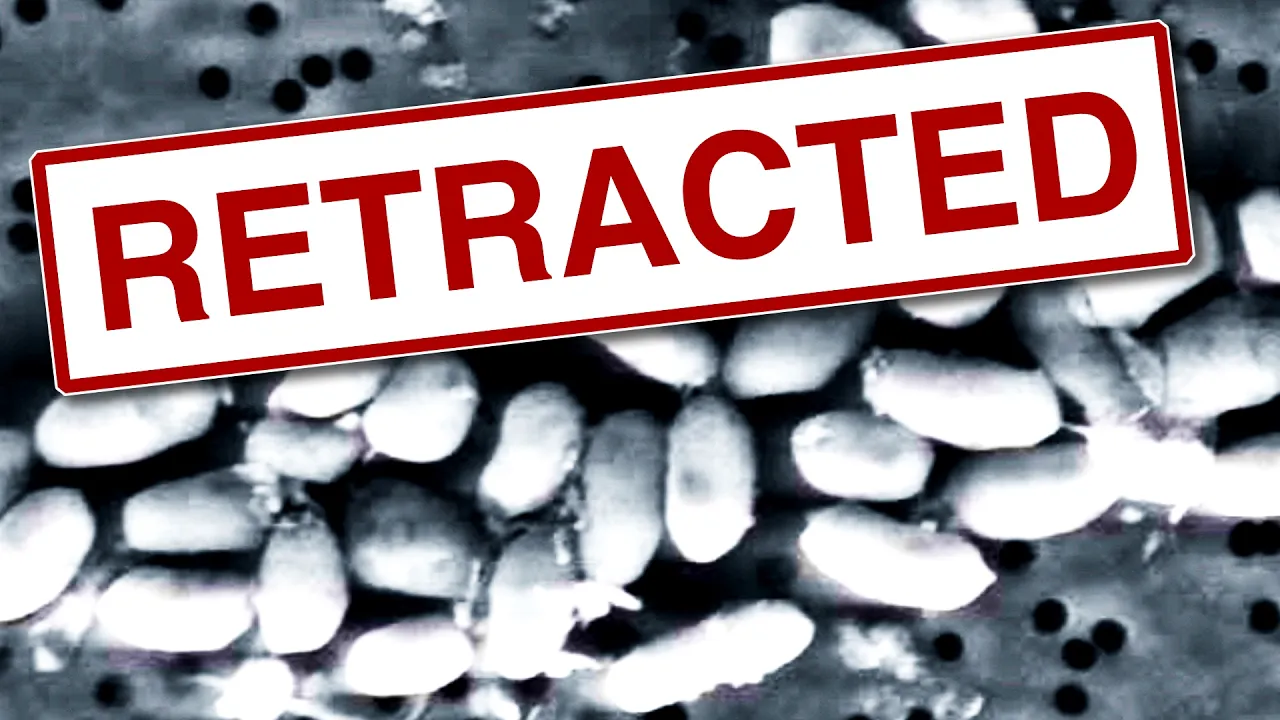
Brady Haran films chemists at the University of Nottingham and lets the conversation run. Sir Martyn Poliakoff often appears. The channel's core project is a video for every element, but these starters show its research-news side. One explains why the journal Science retracted the "arsenic life" paper, with comments from co-author Ariel Anbar. In the other, lead researcher Lai-Sheng Wang explains how his team found evidence for a cage made of 40 boron atoms.
Together they show chemistry correcting and extending itself: one claim falls apart under scrutiny, another arrives with the evidence behind it. The informal style lets caveats and disagreement stay in. Some element videos include flames, sparks or reactive metals. Those are laboratory demonstrations to watch, not to repeat.
Start watching: RETRACTED - Arsenic Life Controversy - Periodic Table of Videos (12:16); NEW DISCOVERY: The Boron Buckyball (11:34).
Periodic Videos on YouTube.
9. Fermilab
Particle physics and accelerators · Scientist-led explainers and lab updates · General adult and up · Established and frontier
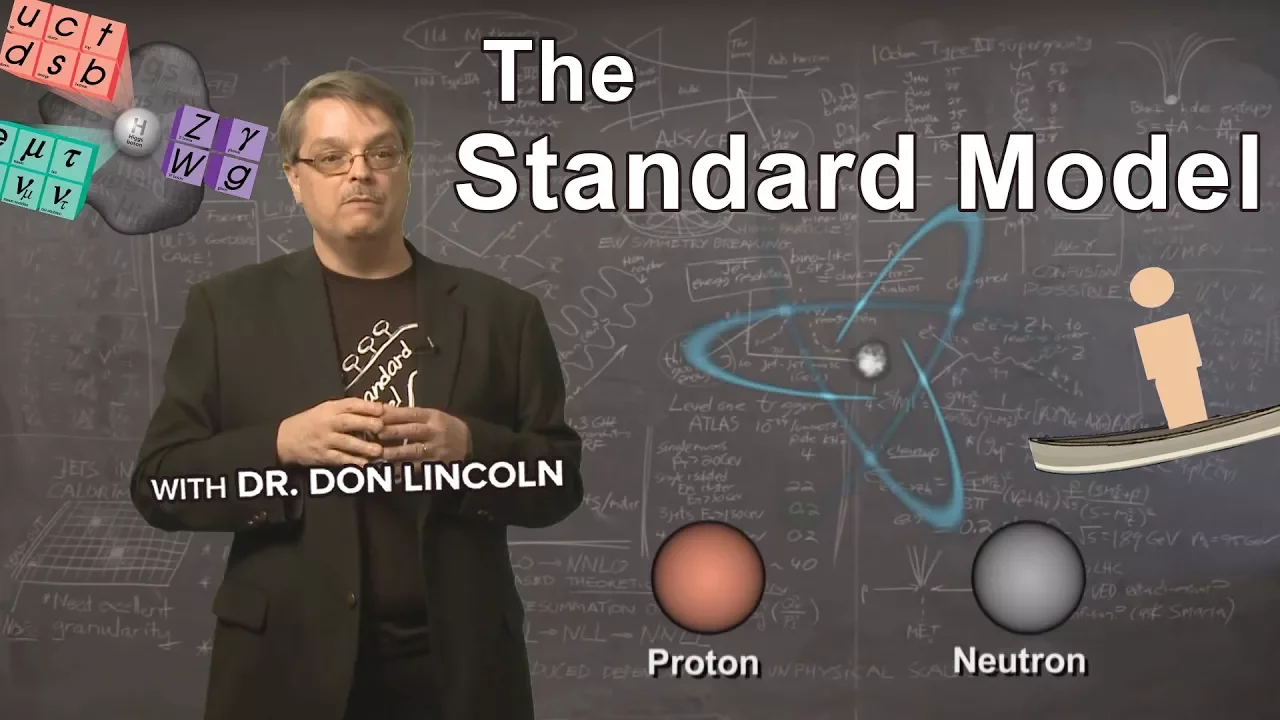
Fermilab is America's particle physics and accelerator laboratory, run for the US Department of Energy, and its best explainers come from Fermilab scientist Don Lincoln. The Standard Model video sets out the particles and forces described by physicists' best-tested theory of the subatomic world. The second starter surveys the questions that theory leaves open, from dark matter to missing antimatter, and how scientists decide which to pursue.
Watch them in this order: the framework first, then its gaps. The Standard Model video dates from 2012 and looks plainer than a studio production, but it's still a sound foundation. Short lab updates appear in the same feed; the explainers are the place to start.
Start watching: The Standard Model (8:13); What is driving particle physics? (15:35).
Fermilab on YouTube.
10. Sixty Symbols
Physics and astronomy · Conversations with university researchers · School physics helps · Established and frontier
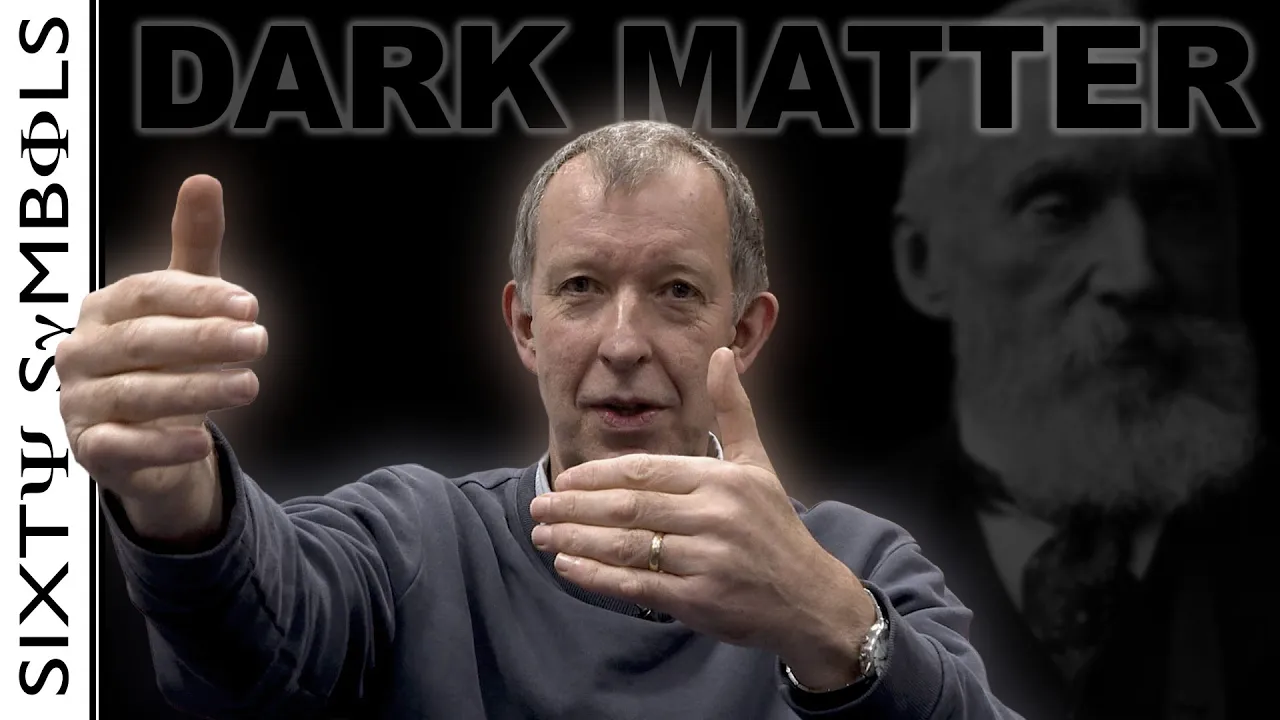
Sixty Symbols is Brady Haran's physics and astronomy channel, filmed with scientists from the University of Nottingham. In Talking About Dark Matter, Professor Ed Copeland connects the dark-matter question to a calculation by Lord Kelvin. In Burstiness, Professor Philip Moriarty takes to his blackboard to explain why the gaps between events, from answering emails to molecular motion, are often far from regular.
This is the place to hear working physicists think aloud. The format is plain, a camera and a conversation, which leaves room for caveats and for "we don't know yet". Both starters are from 2026, and the channel is still publishing. If you enjoy it, the chemistry companion is Periodic Videos.
Start watching: Talking About Dark Matter - Sixty Symbols (12:18); Burstiness - Sixty Symbols (21:31).
Sixty Symbols on YouTube.
11 to 30
11. Cool Worlds (Exoplanets, astrobiology and SETI · David Kipping, Columbia University · General adult · Frontier and speculative). Professor David Kipping leads the Cool Worlds Lab in Columbia University's astronomy department, and the channel often shows the lab's reasoning in public. The exomoon starter reports the team's search of JWST data for a moon around the planet Kepler-167e, including a signal that could also come from the planet crossing a starspot. The Dark Forest episode is a different kind of video: a game-theory argument about a popular idea for why aliens might stay silent, which Kipping explains and then rejects. Treat the first as research and the second as reasoned opinion about a hypothesis. Start watching: JWST Surveyed a Jupiter-like Exoplanet for Exomoons: Results (29:33); Why I Don’t Buy The Dark Forest Hypothesis (23:23).
12. The Royal Institution (Science across disciplines · Lectures by researchers and communicators · Varies by speaker · Established and frontier). The Royal Institution, a science charity with a 200-year history of public lectures, gives one argument an hour to develop. Andrew Szydlo's 2014 family event is packed with chemistry demonstrations, from color changes to flames. Steve Brusatte's 2026 lecture follows the evidence that birds are living dinosaurs, beginning with a lecture Thomas Henry Huxley gave at the Royal Institution in 1868. Accessibility varies with the speaker, so watch a few minutes before committing. Some newer Q&As are for paying channel members; both starters are public uploads, and the demonstrations are for watching only. Start watching: The Magic of Chemistry - with Andrew Szydlo (1:22:21); Birds: The dinosaurs that forgot to die | with Steve Brusatte (1:01:38).
13. minutephysics (Physics and astronomy intuition · Henry Reich · General adult; some algebra helps · Established, some frontier). Henry Reich's hand-drawn animations squeeze one physical idea into a few minutes without pretending it's simple. These two orbit puzzles make a natural pair. The first shows why, in a simplified picture, the Moon's path around the Sun looks like a 12-sided polygon with rounded corners. The second shows how the bi-elliptic transfer, a longer route between orbits, can save fuel. Watch the Moon first. The compression is the appeal and the limitation: a short argument leaves out assumptions a textbook would state. Start watching: The Moon's Orbit is WEIRD (5:29); This Orbit is the WORST (7:31).
14. SciShow (General science · Complexly; rotating hosts · General adult · Established and frontier). SciShow covers everything from atoms to spacecraft in tightly scripted episodes that are easy to fit between other things. Hank Green hosts the first starter, which follows the question of whether atoms are real to the X-ray images that let scientists map how molecules are built. Johnny Dickson hosts the second, on Gravity Probe B and the four nearly perfect spheres it used to test two predictions of general relativity. When an episode covers brand-new research, treat it as an orientation rather than the last word. Health episodes explain research; they aren't medical advice. Start watching: The Most Important Picture in the History of Science (8:54); How 4 Perfect Space Balls Proved Einstein Right (13:03).
15. PBS Eons (Paleontology and evolution · Complexly for PBS Digital Studios; several hosts · No background needed · Established, with reconstruction). PBS Eons tells the history of life as a series of detective stories. The feathers starter explains a new hypothesis for why dinosaurs that couldn't fly had feathered forelimbs, tested with a robotic model called Robopteryx. The Darwin's fox episode shows how a small animal Darwin met on his famous voyage hid an evolutionary story he missed. With any reconstruction, notice the layers: some features come from the fossils themselves, some are inferred from living relatives or biomechanics, and some are artistic choices. The feather idea is a hypothesis with experimental support, not a settled answer. Start watching: The Terrifying Reason Flightless Dinosaurs Grew Feathers (11:29); Darwin Missed An Example of Evolution Right Under His Nose (10:30).
16. NASA Goddard (Earth, Sun and universe · NASA Goddard Space Flight Center · General adult · Established and frontier). Goddard builds spacecraft and instruments to study Earth, the Sun, the solar system and the wider universe, and its channel puts the scientists next to the data. In The Science of Smoke Illustrated, scientist Kirk Knobelspiesse explains how the PACE mission helps scientists study the tiny particles and droplets in smoke. In the second starter, NASA scientists Jennifer Wiseman and Julie McEnery introduce the Hubble tension: different methods give different rates for the universe's expansion, and nobody yet knows why. Many uploads are brief mission updates; these two are explainers. Start watching: The Science of Smoke Illustrated (3:27); Why The Universe Doesn’t Add Up (And How We’re Going To Try To Figure It Out) (5:30).
17. Journey to the Microcosmos (Microbiology and microscopy · Complexly; hosts Hank Green and Deboki Chakravarti · No background needed · Established; archive). This is an archive recommendation: the series posted its finale in October 2024. What remains is a library of microscope footage from James Weiss, with reflective narration and music by Andrew Huang. The tardigrade episode separates what these "water bears" can really survive from the myth that they're immortal. The Paramecium episode shows why a familiar classroom organism still holds surprises, including species that look alike but aren't the same. Hank Green hosts both. Choose it for slow, absorbing viewing; no biology background is needed. Start watching: Tardigrades: Chubby, Misunderstood, & Not Immortal (12:50); Paramecium: The White Rat of Ciliates (11:53).
18. Kurzgesagt – In a Nutshell (Biology, space and big ideas · Kurzgesagt studio team · General adult · Established and speculative). Kurzgesagt's team of illustrators, animators and self-described number crunchers makes complicated ideas look effortless, and many videos link a public list of sources. The trees video shows how trees use carbon from the air to grow and pull water from their roots to their leaves. The "godlike civilization" episode is scenario analysis, a thought experiment about where advanced technology might lead rather than a forecast or a finding. The polish is the same in both modes, so check which one you're watching; that mix is why the channel ranks here despite its craft. Recent uploads also include personal health stories, which aren't medical advice. Start watching: Trees Are So Weird (11:27); This Is What a Godlike Civilization Would Look Like (14:12).
19. Reactions (Everyday chemistry · American Chemical Society · No background needed · Established and frontier). The American Chemical Society produces Reactions. Both starters turn a question into an investigation and credit scientific consultants. Host and writer Alex Dainis tests 20 jars of honey for adulteration, finishing with stable carbon isotopes. In the Mpemba episode, Dainis tries to replicate the claim that hot water can freeze faster than cold, and runs into the measurement problems that keep the question alive. It's a good first stop for "what does chemistry say about this?" Start watching: Exposing Fake Honey Using Carbon-13 (12:00); Hot Water Freezes Either Faster or Slower Than Cold Water (13:59).
20. NileRed (Experimental chemistry · Independent creator · Introductory chemistry helps · Established). NileRed's long projects show what chemistry looks like at the bench: purification, failed attempts and a great deal of waiting. The Epsom salt video tests the claim that the crystals are about half water by weight. The transparent-wood video returns to a materials process whose first attempt, the description admits, only partly worked. The channel page lists a biochemistry degree and work in an organic chemistry lab. These are videos to watch, not procedures to follow: they can't show every hazard, safety control or disposal step, and we don't recommend trying them. Start watching: I still can't believe that Epsom Salt is mostly water (27:00); Making transparent wood (43:55).
21. Nick Zentner (Pacific Northwest geology · Geology teacher at Central Washington University · No background needed · Established and frontier). Nick Zentner teaches geology at Central Washington University, and the channel works like a public extension of the classroom. In the Kīlauea video, Zentner arrives at the summit caldera just as a new eruptive episode begins and talks through what's happening as it builds. Bretz's Spokane Flood & The Missoula Floods is a full public lecture on the Ice Age Missoula Floods, chalkboard first and slides later. Give the lectures an evening. Recent uploads include recorded livestream lectures. Start watching: Kilauea Eruption! with Nick Zentner (22:43); Bretz's Spokane Flood & The Missoula Floods (1:18:43).
22. Steve Mould (Physics demonstrations · Steve Mould · No background needed · Established, some frontier). Steve Mould finds a strange effect, reproduces it on a tabletop and keeps testing when the first explanation doesn't hold up. The chain-fountain starter returns to a subject of several earlier videos and follows Mould's explanation as it's tested in microgravity, with an astronaut's help. The second video uses a very tall siphon to test the often-cited 10.33-meter limit. No background is needed; the follow-up experiments are the appeal. A tabletop result shows what happened in one setup, so notice when other conditions are tested before a wider conclusion is drawn. Start watching: NASA tested my chain theory in space (15:03); Everyone Was Wrong About Maximum Siphon Height (15:28).
23. PBS Terra (Earth science, weather and ecosystems · PBS Digital Studios series · General adult · Established and frontier). PBS Terra is home to several PBS Digital Studios science series. From Weathered, hosted by Maiya May, the hurricane starter explains how Hurricane Catarina formed off South America, in a region where hurricanes are exceptionally rare. From Overview, hosted by Joe Hanson of Be Smart, the island starter follows a decades-long investigation into why giant trees are dying on Panama's Barro Colorado Island. The titles can be dramatic, and climate episodes mix established findings with projections that carry real uncertainty; listen for which is which. Start watching: This Hurricane Should NEVER Have Happened… So How Did It? (13:35); This Island Has Been A Science Experiment for 100 Years (16:57).
24. Be Smart (Biology, physics and everyday science · Joe Hanson · General adult · Established and frontier). Joe Hanson, whom the channel describes as a molecular biologist, is good at taking a simple question seriously. The atom episode traces what it means to see an atom, from ancient ideas about matter to images reconstructed from electron microscope data. The origin-of-life episode, made with PBS Space Time and PBS Eons, tours the leading ideas about how chemistry became biology. That second one is an open question: the video lays out hypotheses as they stood in 2018, not a settled answer. Start watching: We've never seen an atom. But we know what they look like. (18:28); Where Did Life Come From? (feat. PBS Space Time and Eons!) (13:40).
25. AlphaPhoenix (Experimental physics · Brian Haidet · School physics helps · Established). Brian Haidet, whose channel introduction lists a PhD in materials science, builds his own equipment and shows the measurements, including the messy parts. The camera starter explains a homemade setup for filming light as it crosses a garage, assembling each frame from many repeated observations. The airplane starter tries to weigh flying objects by measuring the air pressure they push onto the ground, starting with paper planes and playing cards. School physics helps. Haidet's channel is also among those listed in Veritasium's electricity follow-up. Start watching: I built a 1,000,000,000 fps video camera to watch light move (29:07); I weighed an airplane... while it was flying! (35:29).
26. Applied Science (Instruments, materials and imaging · Ben Krasnow · Technical; best with some background · Established). Ben Krasnow's projects sit between a home workshop and a research lab: electron microscopes, X-ray systems and unusual materials, with the measurements shown in detail. Photosynthesis photography makes pictures on living leaves, a project Krasnow credits to a Royal Institution film from the 1970s. The X-ray starter shows high-speed X-ray video of jumping beans and wind-up toys and explains the photon-counting detector that made it possible. Expect technical detail. Several projects involve radiation, high voltage or pressurized equipment: treat them as demonstrations, not instructions. Start watching: Photosynthesis photography: Making images with living plant leaves (21:41); High speed X-ray video: jumping beans, wind-up toys and more! (13:09).
27. Stuff Made Here (Mechanical engineering and robotics · Independent engineer · General adult · Established; builds, not studies). The appeal here is iteration: an absurd goal, a prototype, a failure and a better design. The hoop starter builds a cable-driven robot that moves a basketball hoop to meet the ball. In the handwriting starter, he builds a robot to imitate handwriting and sends the results to handwriting expert Ron Morris. Engineering intuition helps but isn't required. A working prototype shows what one machine did in those conditions; it isn't a product test or a general result. Many builds rely on workshop tools and forces that are dangerous without proper equipment and training. Start watching: I made a ball seeking hoop (26:32); I sent robot forgeries to a handwriting expert (23:38).
28. Mark Rober (Engineering builds and big demonstrations · Mark Rober · No background needed · Established; entertainment first). Mark Rober, a former NASA engineer by the channel's own account (nine years at JPL), turns engineering into a spectacle. The crow starter, made with Earthwings as a credited partner, puts one crow's problem-solving to the test. The rock-paper-scissors starter is a compilation of ten inventions, including a robot built to win at rock-paper-scissors. These are entertainment-first demonstrations. One crow or one prototype can't establish a general rule, so enjoy the build without treating it as a scientific study. Start watching: Testing The World's Smartest Crow (22:54); My Rock, Paper, Scissors Robot Never Loses (+9 Other Inventions) (19:16).
29. GEO GIRL (Geology and Earth history · Rachel · No background needed · Established and frontier). Rachel, whose channel introduction lists a PhD in geoscience, explains Earth history with the evidence in view. Both starters link to references in their descriptions. The Great Oxidation Event starter explains how the disappearance of an unusual sulfur-isotope signature in ancient rocks points to oxygen accumulating in Earth's atmosphere roughly 2.4 billion years ago. The Himalayas starter is a nine-minute account of India's journey north and its collision with Asia. Both stand alone, and the isotope video asks for a little more attention. For geology told on location, pair it with Nick Zentner. Start watching: The “Smoking Gun” Evidence for the Great Oxidation Event | GEO GIRL (14:36); The Himalayas: The Geological Story of Earth’s Greatest Mountain Collision | GEO GIRL (9:17).
30. Explosions&Fire (Inorganic and energetic chemistry · Tom · Introductory chemistry strongly recommended · Established; safety-sensitive). Tom's channel features explosives chemistry. The two starters cover other parts of life as a researcher. One is a candid talk about research careers, journals, publishing and funding. The other takes an ice-cream break to test unlikely spice pairings with a PhD thesis due. Start watching: Academia is strange . (50:10); My PhD Thesis is Due. We’re making ice cream (14:38).
The full list at a glance
Choose a discipline and a starting level. The two starters in each row match the entries above. We checked activity on 21 November 2026. The dates cover public videos and finished livestreams, excluding Shorts. The evidence label describes the kinds of claims each channel usually covers.
| Channel / presenter | Discipline / format | Viewer level / evidence | Two starters |
|---|---|---|---|
| 1. Veritasium Derek Muller | Physics and engineering · Experiments and long explainers Latest upload: | No background needed Evidence: established, some frontier | Electricity misconception (14:48) Electricity follow-up (24:30) |
| 2. SmarterEveryDay Destin | Mechanics, fluids and biology · Hands-on experiments Latest upload: | No background needed Evidence: established | Backwards bicycle (7:58) Prince Rupert's drop (6:38) |
| 3. PBS Space Time Matt O'Dowd | Astrophysics and quantum physics · Scripted explainers Latest upload: | School physics helps Evidence: established, frontier and speculative | Electron spin (19:29) Rare Earth argument (15:58) |
| 4. Practical Engineering Grady Hillhouse | Civil engineering and fluid mechanics · Models and site footage Latest upload: | No background needed Evidence: established | Thumb trick (17:42) Washboard roads (17:54) |
| 5. Dr. Becky Becky Smethurst, University of Oxford | Astronomy and astrophysics · Explainers and monthly news Latest upload: | Light astronomy vocabulary Evidence: established and frontier | Supermassive black holes (18:03) Viking life debate (20:42) |
| 6. Deep Look KQED and PBS Digital Studios | Animal behavior and anatomy · Macro and microscope films Latest upload: | No background needed Evidence: established | Dragonfly nymph (4:00) Slime mold (3:06) |
| 7. HHMI BioInteractive Howard Hughes Medical Institute | Evolution, genetics and ecology · Classroom films Latest upload: | Introductory biology helps Evidence: established | Spider color vision (9:22) Stickleback evolution (15:38) |
| 8. Periodic Videos Brady Haran with University of Nottingham chemists | Chemistry and the elements · Lab conversations Latest upload: | Introductory chemistry helps Evidence: established and frontier | Arsenic life retraction (12:16) Boron buckyball (11:34) |
| 9. Fermilab US particle physics laboratory; Don Lincoln | Particle physics · Scientist-led explainers Latest upload: | General adult and up Evidence: established and frontier | Standard Model (8:13) Open questions (15:35) |
| 10. Sixty Symbols Brady Haran with University of Nottingham physicists | Physics and astronomy · Researcher conversations Latest upload: | School physics helps Evidence: established and frontier | Dark matter and Kelvin (12:18) Burstiness (21:31) |
| 11. Cool Worlds David Kipping, Columbia University | Exoplanets, astrobiology and SETI · Research essays Latest upload: | General adult Evidence: frontier and speculative | Exomoon search (29:33) Dark Forest critique (23:23) |
| 12. The Royal Institution Invited researchers and communicators | Science across disciplines · Public lectures Latest public upload: | Varies by speaker Evidence: established and frontier | Magic of Chemistry (1:22:21) Birds are dinosaurs (1:01:38) |
| 13. minutephysics Henry Reich | Physics intuition · Hand-drawn animation Latest upload: | General adult; some algebra helps Evidence: established, some frontier | Moon's orbit (5:29) Bi-elliptic transfer (7:31) |
| 14. SciShow Complexly; rotating hosts | General science · Studio explainers Latest upload: | General adult Evidence: established and frontier | Atoms and X-rays (8:54) Gravity Probe B (13:03) |
| 15. PBS Eons Complexly for PBS Digital Studios | Paleontology and evolution · Narrated documentaries Latest upload: | No background needed Evidence: established, with reconstruction | Feathered dinosaurs (11:29) Darwin's fox (10:30) |
| 16. NASA Goddard NASA Goddard Space Flight Center | Earth, Sun and universe · Mission explainers and visuals Latest upload: | General adult Evidence: established and frontier | Science of smoke (3:27) Hubble tension (5:30) |
| 17. Journey to the Microcosmos Complexly; footage by James Weiss | Microbiology · Microscope films with narration Archive: finale | No background needed Evidence: established | Tardigrades (12:50) Paramecium (11:53) |
| 18. Kurzgesagt – In a Nutshell Kurzgesagt studio team | Biology, space and big ideas · Animated explainers Latest upload: | General adult Evidence: established and speculative | Trees (11:27) Godlike civilization (scenario) (14:12) |
| 19. Reactions American Chemical Society | Everyday chemistry · Hosted investigations Latest upload: | No background needed Evidence: established and frontier | Fake honey (12:00) Mpemba effect (13:59) |
| 20. NileRed Independent creator | Experimental chemistry · Long lab projects Latest upload: | Introductory chemistry helps Evidence: established; watch, don't repeat | Epsom salt (27:00) Transparent wood (43:55) |
| 21. Nick Zentner Central Washington University geology teacher | Pacific Northwest geology · Field videos and lectures Latest upload: | No background needed Evidence: established and frontier | Kīlauea eruption (22:43) Ice Age floods lecture (1:18:43) |
| 22. Steve Mould Steve Mould | Physics demonstrations · Tabletop investigations Latest upload: | No background needed Evidence: established, some frontier | Chain fountain in space (15:03) Siphon height (15:28) |
| 23. PBS Terra PBS Digital Studios; Maiya May, Joe Hanson | Earth science and weather · Hosted documentaries Latest upload: | General adult Evidence: established and frontier | Hurricane Catarina (13:35) Barro Colorado Island (16:57) |
| 24. Be Smart Joe Hanson | Biology, physics and everyday science · Hosted explainers Latest upload: | General adult Evidence: established and frontier | Picturing atoms (18:28) Origin of life (2018) (13:40) |
| 25. AlphaPhoenix Brian Haidet | Experimental physics · Build, test, measure Latest upload: | School physics helps Evidence: established | Light-speed camera (29:07) Weighing an airplane (35:29) |
| 26. Applied Science Ben Krasnow | Instruments, materials and imaging · Lab builds Latest upload: | Technical; best with some background Evidence: established | Leaf photographs (21:41) High-speed X-ray (13:09) |
| 27. Stuff Made Here Independent engineer | Mechanical engineering and robotics · Prototype builds Latest upload: | General adult Evidence: established; builds, not studies | Ball-seeking hoop (26:32) Handwriting forgeries (23:38) |
| 28. Mark Rober Mark Rober | Engineering builds · Large-scale demonstrations Latest upload: | No background needed Evidence: established; entertainment first | Crow puzzle test (22:54) Rock-paper-scissors robot (19:16) |
| 29. GEO GIRL Rachel | Geology and Earth history · Presenter-led explainers Latest upload: | No background needed Evidence: established and frontier | Great Oxidation Event (14:36) Himalayas (9:17) |
| 30. Explosions&Fire Tom | Inorganic and energetic chemistry · Lab videos and commentary Latest upload: | Introductory chemistry strongly recommended Evidence: established; safety-sensitive | Academia talk (50:10) Spice ice cream (14:38) |
Watch them like a TV channel
Add this guide as one TV channel to tune into recent videos from 29 of these creators: up to five of each one's latest uploads, updated daily, with Shorts and live or upcoming streams left out. Explosions&Fire isn't in that lineup because the channel features explosives chemistry. Use the direct links above to start a particular video from the beginning.
For full-length films, try our space documentaries or nature documentaries. To learn beyond the sciences, from economics to art, explore our educational YouTube channels.