
Start with Fall of Civilizations for an entire evening in another world, Time Team Official to follow an excavation, or Tasting History to enter the past through a meal.
These 30 history YouTube channels range from human prehistory to the Cold War, with room for Indigenous Americas, African societies, religion and everyday life. Each has two starting episodes below. Some reward an hour with the screen; others are good company for a long listening session.
Where to start
| You want | Start with |
|---|---|
| A long documentary about a whole civilization | Fall of Civilizations |
| Archaeology as it happens | Time Team Official |
| Help assessing ancient-history claims | World of Antiquity |
| Rome in a short sitting | toldinstone |
| Indigenous histories of the Americas | Ancient Americas |
| The deep human past | Stefan Milo |
| Everyday life through food | Tasting History |
| Religious ideas in historical context | Let's Talk Religion |
| A season of African history | History of Africa Podcast |
| Modern history in chronological order | TimeGhost History |
How we picked these
We looked for channels that tell a good story, show where they got their information, and give you plenty to watch after the first episode. We cared more about finding stories from different places and eras than about subscriber counts. That's how a channel devoted to Welsh history and a podcast that spends a season in West Africa ended up alongside the big documentary studios.
If an episode leaves you wondering how the creator knows something, we've noted where they share the books, papers, or firsthand accounts behind it. The starter videos are public on YouTube. Some channels also have paid extras, and individual videos may be unavailable in your country.
The top 10
1. Fall of Civilizations

Civilizations across Africa, Asia and the Americas · Narrated documentaries · Paul M. M. Cooper
For an evening that turns into an entire historical world, start here. Paul Cooper's documentaries follow societies through their rise and collapse, with room for landscapes, poetry and the people caught in the upheaval. The Han episode takes you to ancient China; Majapahit opens out onto Java and the maritime world of medieval Indonesia.
It's our first pick for sustained storytelling and geographical reach. The trade-off is time: even these two starters need several sittings between them. They're separate stories, so choose either first. Treat the explanation of a collapse as a synthesis of evidence and interpretations, rather than a single settled answer; the series website is a useful route into Cooper's wider work.
Start watching: The Han Dynasty — The First Empire in Flames (2:51:58); Majapahit — Empire of the Islands (4:32:24).
Fall of Civilizations on YouTube.
2. Time Team Official
British and Irish archaeology · Excavation documentaries · Time Team
A trench can change the story. Time Team is the choice for watching archaeologists work through a problem: where to dig, what an object tells them, and whether the first explanation still fits the next discovery. These starters move from the landscape of ancient Ulster to a furnace beneath a Shropshire pub.
Both starters come from Time Team Classics, the official archive channel. Time Team Official also carries newer work. Watch either as a self-contained dig. The tight television structure gives the investigation momentum, but the closing interpretation is a result of the evidence available then, not the last word on the site. That's part of the attraction: archaeology is a process you can follow.
Start on Time Team Classics: Searching for King Connor's Lost Palaces — Ancient Ulster Unearthed (50:38); Uncovering the Secret Furnace That Sparked the Industrial Revolution (48:49).
Time Team Official on YouTube.
3. World of Antiquity
Ancient civilizations and archaeology claims · Explanations and site visits · David Miano
If a spectacular claim about ancient technology leaves you wondering what the evidence actually shows, try David Miano. The appeal is the question behind the spectacle: which surviving sources support a claim, and what would count against it? Fantasy Archaeology is a Dead End introduces that approach; the Comalcalco visit brings the channel back to a particular Maya site.
Choose the first for an argument about how history gets distorted, or the second for a shorter visit to ancient architecture. The critical episodes can spend a lot of time answering other people's claims, so they aren't a chronological course in antiquity. Nor does this recommendation mean the other channels here are pseudohistory: source checking is a skill worth taking to every documentary.
Start watching: Fantasy Archaeology is a Dead End (21:21); The Maya City Made of Brick (14:38).
World of Antiquity on YouTube.
4. toldinstone
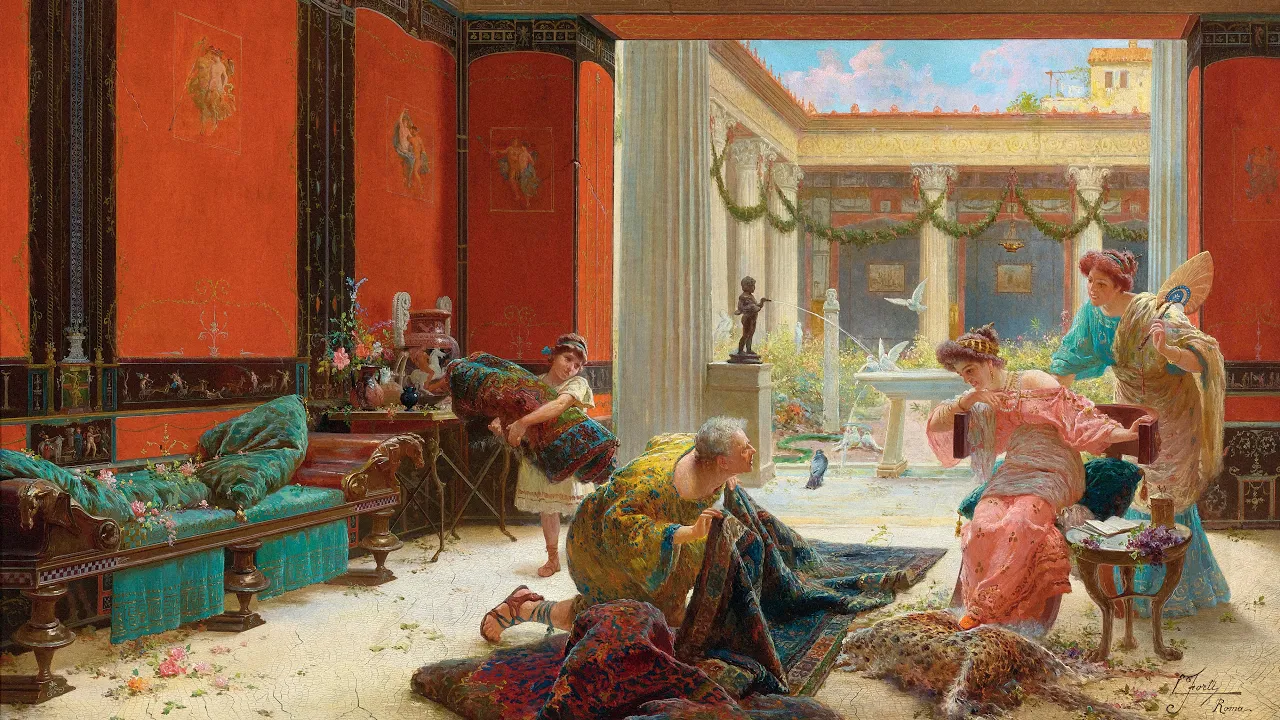
Ancient Greece and Rome · Visual essays · Garrett Ryan
Rome becomes more interesting when you stop following only its emperors. Garrett Ryan's channel asks about the things people bought, built and left unfinished. Luxury Brands of Ancient Rome works through factories, businesses and trademarks; Three Unfinished Roman Megaprojects considers plans involving the Tiber, the Corinth Canal and a capital in Germania.
This is a useful first stop when you have ten minutes and one concrete question. Ryan describes his background in Greek and Roman history, but the short format still limits how much competing evidence any one episode can unpack. Use the pair as separate windows onto the ancient Mediterranean, then try Historia Civilis when you want the political sequence.
Start watching: Luxury Brands of Ancient Rome (10:14); Three Unfinished Roman Megaprojects (12:21).
toldinstone on YouTube.
5. Ancient Americas
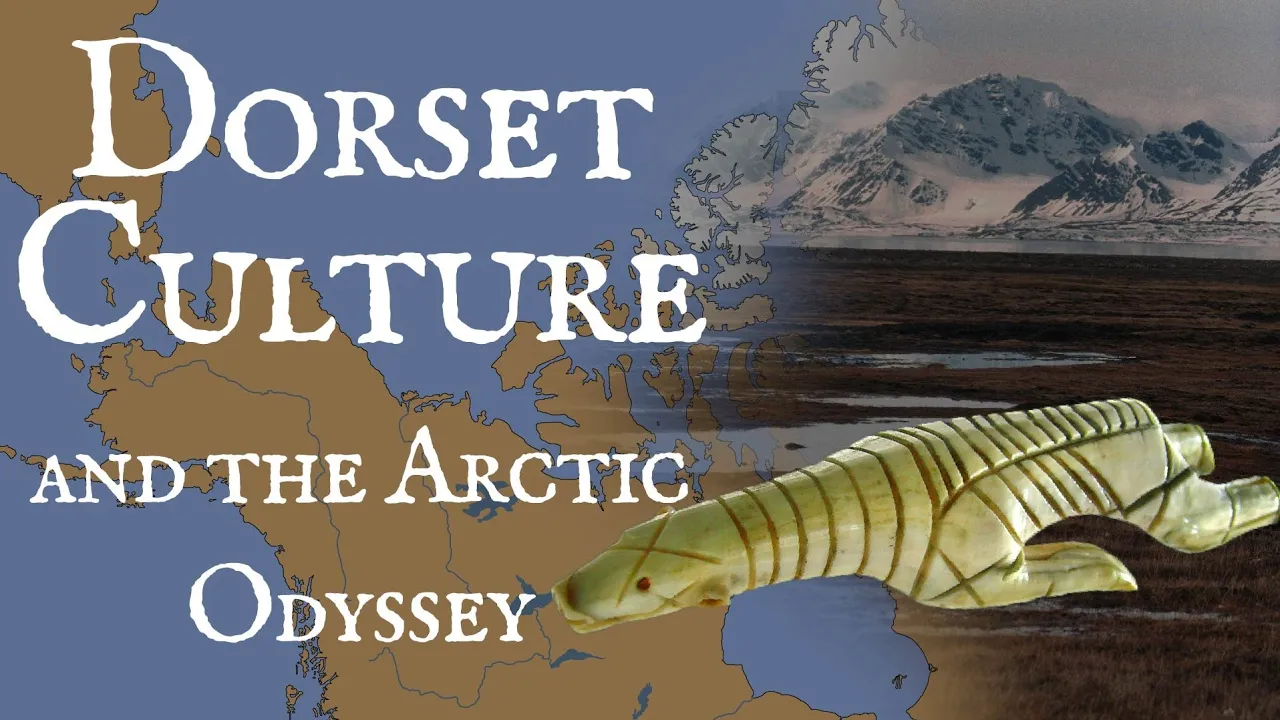
Pre-Columbian Americas · Narrated regional histories · Pete
Start here to get beyond a history diet dominated by Europe. Pete's channel gives substantial time to the pre-Columbian Americas, including places far from the familiar Aztec and Inca stories. The Dorset episode follows Arctic settlements and material culture; Chachapoyas turns toward communities between the Amazon and the Andes, including their buildings and burial traditions.
Both descriptions link bibliographies, giving you somewhere to go when a detail catches your attention. Pete is open about being an enthusiast rather than a professional archaeologist. These are researched introductions, not substitutes for specialist or Indigenous scholarship, and a surviving object doesn't answer every question about the people who made it. Choose the Arctic or the Andes first; neither starter depends on the other.
Start watching: Dorset Culture and the Arctic Odyssey (42:37); Chachapoyas: Life and Death in the Clouds (1:02:16).
Ancient Americas on YouTube.
6. Stefan Milo
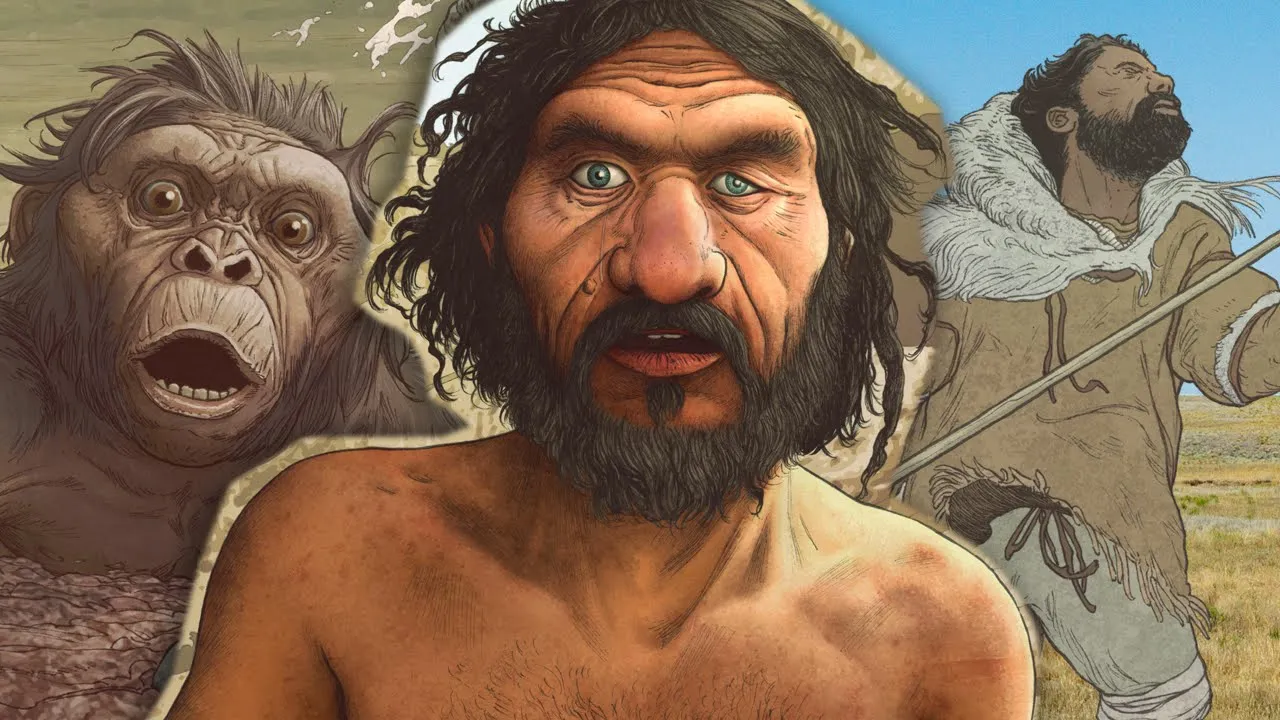
Human prehistory and evolution · Archaeology essays · Stefan Milo
Prehistory asks you to imagine lives that left no written autobiography. Stefan Milo's Life and Death In the Paleolithic organizes its hour around Lucy, Nandy and Il Principe, giving the deep past a more human scale. For a shorter introduction, the European-sites episode asks how early archaeological finds change the picture of human movement.
Choose this channel for questions about human origins rather than dynasties and dates. Its reconstructions help connect scattered evidence, but an illustration of someone's life is not a recovered memory. Keep the distinction between a find and an interpretation in mind, especially as new research changes the field. The shorter starter is a good way to decide whether you want the longer collection.
Start watching: Life and Death In the Paleolithic (1:03:09); Europe's oldest sites are... surprisingly old. (16:40).
Stefan Milo on YouTube.
7. Dan Davis History
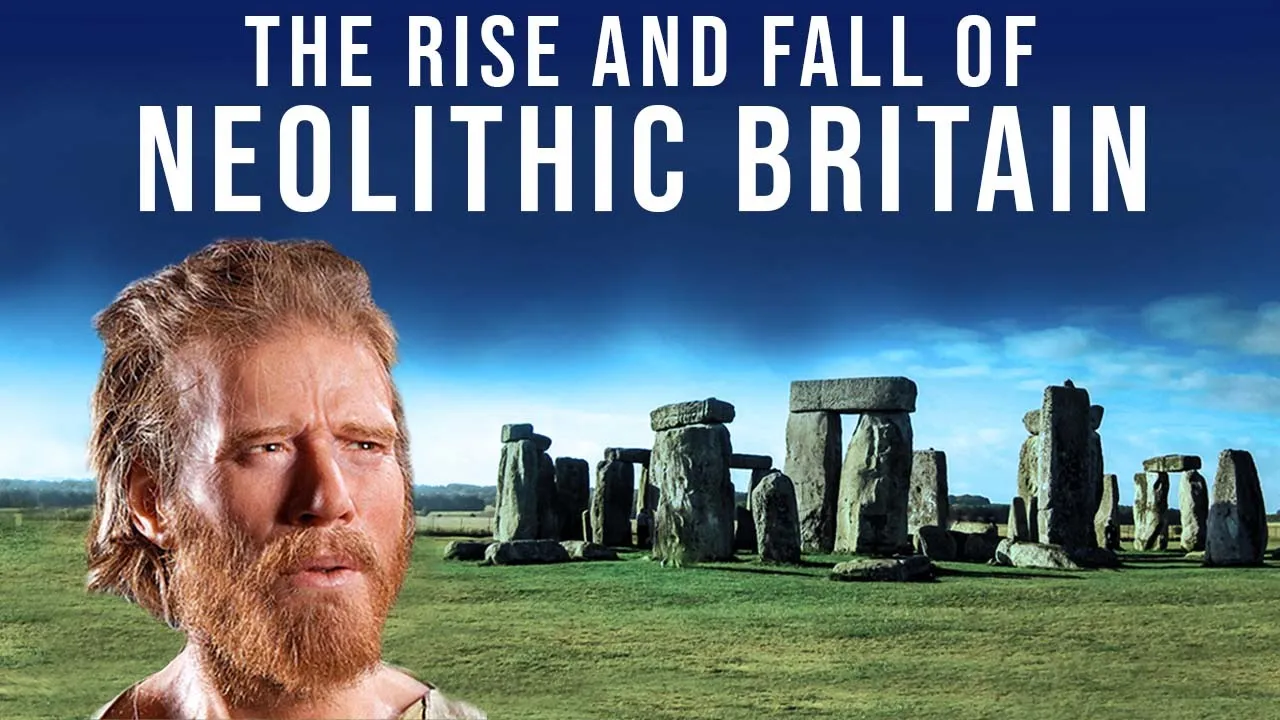
Neolithic and Bronze Age Europe · Narrated documentaries · Dan Davis
Dan Davis is a good next step when you want prehistory to have a place and a timeline. His Neolithic Britain and Ireland film follows early farmers and monument building; the second starter shifts east to the large settlements of the Cucuteni-Trypillia world. Together they widen the view beyond a few famous stone circles.
The attraction is a connected regional story with reading suggestions in the descriptions. Davis identifies himself as an author, not a historian or archaeologist, so distinguish these documentary syntheses from his separately promoted fiction. Settlement sizes, migrations and social arrangements can involve contested interpretations. Start with Britain and Ireland for the longer overview, then compare the very different settlements of prehistoric eastern Europe.
Start watching: The Entire History of Neolithic Britain and Ireland (4000–2500 BC) (48:13); The Vast Ancient Cities of Prehistoric Europe (22:58).
Dan Davis History on YouTube.
8. Modern History TV
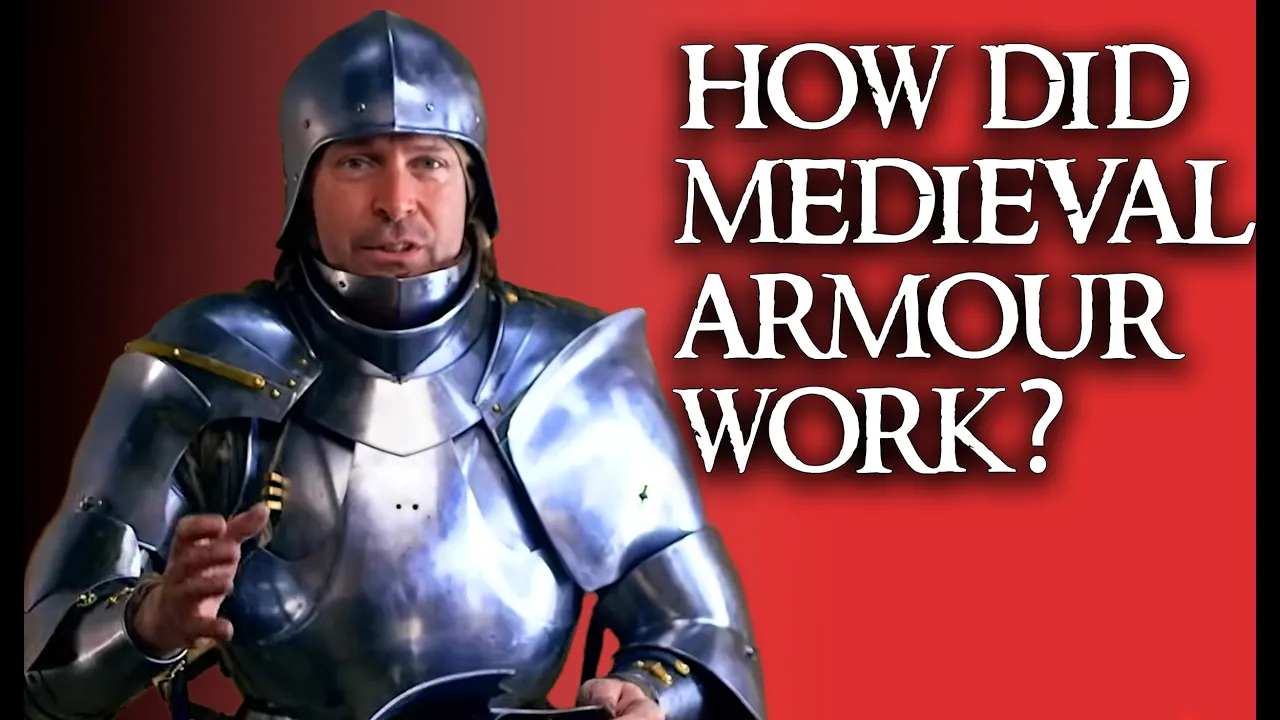
Medieval life, especially England · Practical demonstrations and conversations · Jason Kingsley
What does armour feel like when you move in it? Jason Kingsley brings practical experience to questions that can stay abstract in a conventional documentary. The armour starter is a compilation of demonstrations and explanations; the travel episode turns to the less glamorous problem of finding somewhere to sleep on a medieval road.
Choose it for the physical side of history: equipment, shelter and the constraints of everyday life. A modern experiment can show that something is feasible, but it cannot establish that everyone in the Middle Ages did it that way. The channel's centre of gravity is medieval England, so avoid treating its examples as a universal medieval lifestyle. Start with the shorter travel episode if the armour compilation is too much for one sitting.
Start watching: A DEEP DIVE into using and wearing real MEDIEVAL ARMOUR (1:25:49); Where did MEDIEVAL people SLEEP in an EMERGENCY? (32:33).
Modern History TV on YouTube.
9. Tasting History with Max Miller

Food and social history across periods · Recipe reconstruction and storytelling · Max Miller
Food gives history a familiar starting point without limiting it to familiar stories. Max Miller combines cooking with the circumstances around a meal, from medieval taverns to James Hemings, the chef named in the second starter. You can follow the historical thread even if you never intend to make the recipe.
This is the most approachable everyday-life pick here, especially for someone who finds campaign maps tiring. Keep the reconstruction caveat in mind: a recipe made with modern ingredients and equipment shows one interpretation of a historical dish. It doesn't recover exactly what every diner tasted. Pick the tavern episode for the setting or Hemings for a story organized around a person; either works on its own.
Start watching: What it was like to visit a Medieval Tavern (23:19); James Hemings — Jefferson's Forgotten Chef (24:39).
Tasting History with Max Miller on YouTube.
10. History Hit
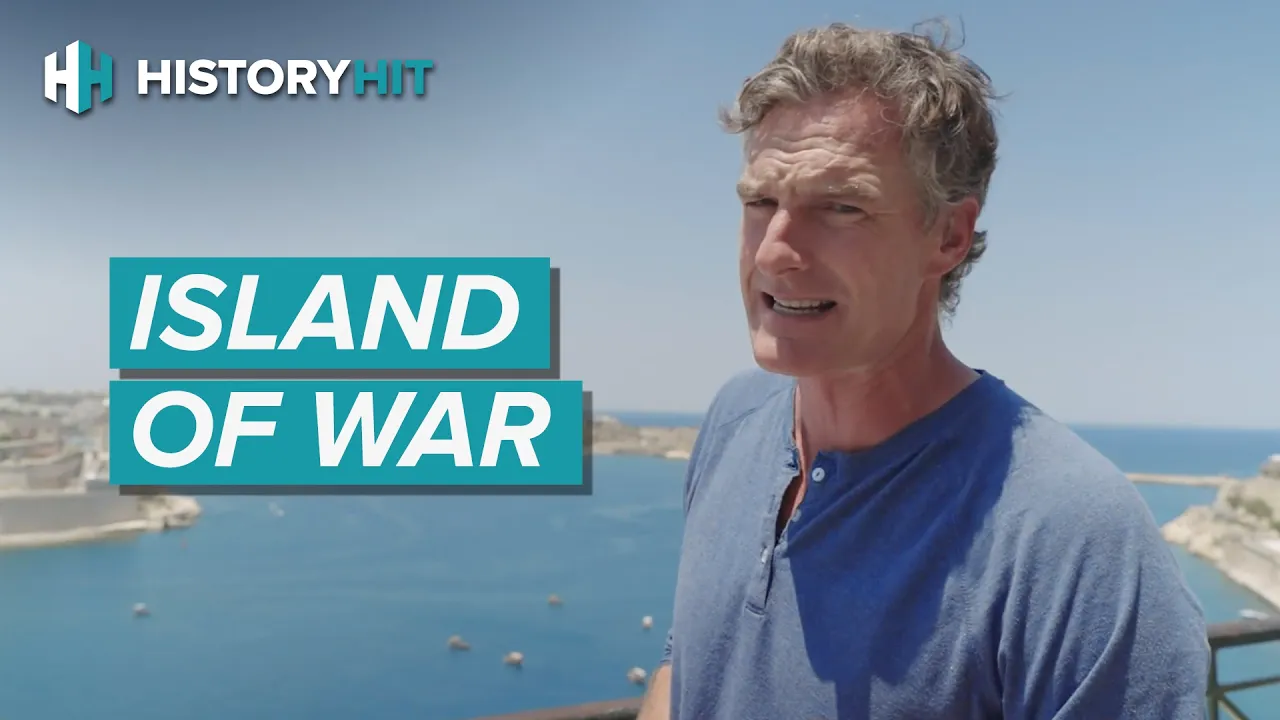
Broad history and archaeology · Presenter-led films and compilations · History Hit / Little Dot Studios
History Hit is the pick for being taken somewhere. Dan Snow's Malta film moves through successive sieges of the island, while the medieval London compilation includes Eleanor Janega and Katie Wignall exploring different aspects of the city. It's a useful way to sample several presenters without committing to one long channel series.
The limitation is variation: a location film, an interview and a compilation offer different kinds of depth. The London starter is explicitly a compilation, so use its chapters if you prefer a shorter visit. These links lead to free YouTube uploads; History Hit also promotes paid memberships and a separate subscription catalog. Access to those is not included in watching these two films.
Start watching: We Explored Most Defended Island in History (20:53); What Was Medieval London Really Like? — History Hit Compilation (2:07:12).
History Hit on YouTube.
11 to 30
11. Let's Talk Religion (Narrated essays · Filip Holm). Filip Holm is a useful guide to how religious ideas develop, especially around Islam and mysticism. The two starters follow alchemy and competing interpretations of Iblis in Sufi thought; their descriptions provide reading lists. Choose this for intellectual history and give unfamiliar names time to settle. It studies beliefs and interpretations rather than establishing theological claims, and these focused essays aren't a complete introduction to every religion. Start watching: Alchemy in the Islamic World (45:23); Satan in Sufism (38:52).
12. Al Muqaddimah (Narration, maps and audio histories · Syawish). Syawish puts the histories of Muslim societies at the centre of the story. Begin with the source-method episode, then try the long audio history of Muslim Spain and Portugal. That order makes the creator's approach easier to assess. The channel states a secular historical perspective; it isn't religious instruction. Maps are explanatory approximations, and the second starter is audio-focused, so choose it for listening rather than a location documentary. Start watching: Why I Don't Use Islamic Sources (25:57); The Tragedy of Muslim Spain and Portugal (Audio) (3:13:41).
13. The Histocrat (Long documentaries and discussion podcasts · The Histocrat; Mythillogical hosts Charles and Cassie). Choose The Histocrat when a subject deserves several hours. The Birth of China follows late Neolithic societies; the Mythillogical discussion turns to Cú Chulainn and Irish literary traditions. They offer different kinds of evidence: archaeology for early societies, texts and scholarship for the development of legends. The supernatural events in a story don't become historical facts because the story has old sources. The China starter is episode four, covering 3000–2000 BCE; use the channel's Birth of China series in date order for the longer route. Start watching: The Birth of China — Ten Thousand States (3000 BCE to 2000 BCE) (2:05:13); Cú Chulainn, Hero of the Irish — Mythillogical Podcast (4:09:44).
14. Cambrian Chronicles (Source investigations and narrated essays · Cambrian Chronicles (public pseudonym)). This is a particularly useful channel for watching a historical claim get taken apart. The Wikipedia-hoax investigation traces an account of Welsh history through repeated claims and older writing; The Battle of Chester opens a series on the conquest of Wales. Start with the hoax if you enjoy documentary detective work. The narrow regional focus is the attraction, but early texts still need interpretation: a detailed citation trail doesn't remove every uncertainty about an event. Start watching: How a Hoax on Wikipedia Changed a Country's History (20:30); The Battle of Chester | 616 (8:13).
15. History Time (Long narrated documentaries · Pete Kelly). Pete Kelly's long documentaries suit viewers who want a place to unfold over an hour or more. Start with Naxos for an island's prehistoric archaeology, then widen the view with the Amazon film and its discussion of pre-Columbian settlements. Both descriptions supply reading routes. The limitation is the scale: one narrator is assembling a large, changing body of research, so use the references when you want to investigate a disputed detail rather than treating the narrative as a final consensus. Start watching: What Happened To The Sunken City Of Naxos? (1:03:06); The Amazon Wasn't Empty: The Incredible Prehistoric Cities Hidden Beneath the Jungle (2:15:30).
16. Voices of the Past (Readings over images and animation · David Kelly). David Kelly's channel lets historical accounts carry the narrative. The Japan episode draws on William Adams, John Saris and Richard Cocks; the Sparta episode uses Xenophon and Herodotus. Choose either for a perspective that sounds different from a modern overview. The essential limitation is also its value: a witness can be biased, mistaken or repeating hearsay. Both episodes select and edit passages. The Sparta readings are translated from Greek. A first-person title can still include passages from people who weren't there. Start watching: First Englishman Describes Adventures in Shogunate Japan (29:52); Ancient Greek Describes Growing Up In Sparta (27:17).
17. Invicta (Illustrated documentary essays · Invicta (public creator name) and credited collaborators). Invicta is worth exploring beyond its battles. These starters look at intoxicants and organized business in the Roman world, with ancient texts, modern studies and production credits listed in their descriptions. Choose the business episode for institutions or the drugs episode for a more unusual everyday-life question. Modern labels such as “corporations” can make the subject approachable, but they aren't exact equivalents of ancient arrangements; follow the distinctions within the explanation. Start watching: Drugs in Ancient Rome — DOCUMENTARY (26:15); The Mega Corporations Who Ruled Rome (27:21).
18. Historia Civilis (Diagram-led explanations · Historia Civilis (public pseudonym)). The spare diagrams make political sequence easier to track: who supports whom, what changes, and what happens next. For a compact two-part route, watch the assassination of Julius Caesar, then his funeral. Both descriptions list ancient accounts alongside modern histories. This is an interpretation of contested sources, not a transcript of what every participant thought. The pair works as an entry point, while the wider Caesar series rewards watching in historical order. Start watching: The Assassination of Julius Caesar (The Ides of March, 44 B.C.E.) (32:41); Caesar's Funeral (44 B.C.E.) (22:33).
19. SandRhoman History (Animated explanations · SandRhoman History team). Choose SandRhoman for the mechanics and context of a siege. The Fort Detroit and Fort Pitt episodes form parts one and two of its Pontiac's War account, so watch them in that order. Bibliographies give readers a route into the scholarship behind the narrative. The military lens leaves less space for ordinary life, and the Fort Pitt episode discusses atrocities and an attempt to spread smallpox. For a broader view of Indigenous history, continue with Ancient Americas. Start watching: Siege of Fort Detroit — Pontiac's War, Part 1 (29:54); Siege of Fort Pitt — Pontiac's War, Part 2 (27:34).
20. Kings and Generals (Animated campaign maps · Kings and Generals team). Campaign maps are the reason to choose Kings and Generals: they help you follow movements and changing control across a region. The Carthage and Greece film opens the Sicilian Wars series. The Viking York film is episode six of a separate series on the Viking invasion of Britain. The limitation is the campaign-centred view, which leaves everyday life in the background. Some continuations are members-only; the two linked starters are public uploads. Map clarity is a presentation strength, not a guarantee that an interpretation is settled. Start watching: The Forgotten Viking War That United England (19:18); Carthage vs Greece: The War Before Rome — Sicilian Wars DOCUMENTARY (19:32).
21. The Great War (Chronological episodes and documentaries · Real Time History; Indy Neidell archive, Jesse Alexander later work). For the First World War, chronology is the attraction. Start the original Indy Neidell series at Week 1 and continue by week number; for a longer single sitting, choose the 1914 outbreak documentary. The channel is now operated by Real Time History and identifies Jesse Alexander with its later work, so don't assume every upload has the original presenter. Its focused war chronology is valuable, but it cannot stand in for a general history of the early twentieth century. Start watching: The Outbreak of WWI — From Local Conflict to World War in 1914 (Week 1) (7:24); Outbreak of World War I 1914 (Documentary) (1:12:51).
22. TimeGhost History (Chronological presenter-led episodes · Indy Neidell, Spartacus Olsson and team). TimeGhost is the next stop after a war chronology when you want to know what followed. Begin Between 2 Wars with the two 1918 preludes below: national upheaval first, then disease and a generation's losses. Continue through the years in sequence. This is an archive recommendation, not a promise of regular new uploads, and isolated later episodes can assume earlier context. The interwar route also keeps this pick distinct from the separate World War Two channel. Start watching: Rise of the Nations — BETWEEN 2 WARS, 1918 Part 1 (9:35); Disease, War and The Lost Generation — BETWEEN 2 WARS, 1918 Part 2 (11:59).
23. History of Africa Podcast (Audio-focused serial history · History of Africa Podcast). This is the listening pick for African history told over a season rather than squeezed into an empire montage. Start Season 7 with Welcome to Senegambia, then Looking for Takrur, which examines Arabic-language accounts of the Senegal River valley. The show's blog adds maps and context. Expect an audio-led experience and follow the numbered season: it offers depth through accumulation, with less visual variety than the documentary channels above. Start watching: Season 7 Episode 1: Welcome to Senegambia (29:44); Season 7 Episode 2: Looking for Takrur (31:48).
24. The British Museum (Curator explanations and conservation films · The British Museum). For a smaller unit of history, start with an object. Ilona Regulski explains the Rosetta Stone and its text, while the Sutton Hoo episode gives the helmet sustained attention outside its display case. These are approachable curator-led introductions that invite close looking. A museum collection is a selective viewpoint, though: an object film cannot cover every question about its acquisition, ownership or the society that made it. Pair the detail here with a broader regional channel. Start watching: The Rosetta Stone and what it actually says with Ilona Regulski (16:35); Sue Takes on the Sutton Hoo Helmet (18:38).
25. Penn Museum (Recorded lectures · Penn Museum). Start here if you want to hear from the people doing the work. Archaeologist Joyce White talks about working with colleagues in Thailand and Laos and what they can learn from the collections. In the second talk, members of the Colfax-Todds Valley Consolidated Tribe and Penn's Brian Daniels discuss how they worked together to return ancestral land to the Tribe. Start watching: Pioneering Research in Thailand and Laos (1:13:29); Archaeology in Action: Collaboration to Reclaim Native American Ancestral Lands (1:09:40).
26. Premodernist (Narrated history essays · Premodernist). If you turned up in medieval Europe, what would give you away? The time-travel episode uses that question to get into the details of daily life. The shorter starter explains how names worked among Arabic speakers in the premodern Middle East. The descriptions are worth a look for corrections and, in the time-travel episode, a reading list. Start watching: Advice for time traveling to medieval Europe (1:00:17); Medieval Arabic names had 5 parts, but no surname (19:54).
27. Atun-Shei Films (Field documentaries and interviews · Andrew Rakich). Andrew Rakich and Benton Guinness get into boats and retrace part of Benedict Arnold's route to Quebec. The Civil War episode takes a different approach, talking to living historians at the Buffalo Soldiers National Museum about how Black Americans fought for their freedom. Start with Quebec to see the terrain, or choose the Civil War episode for the interviews. Start watching: Following Benedict Arnold: The 1775 Invasion of Quebec (1:00:37); The Civil War Was A Slave Revolt (33:57).
28. Kaz Rowe (Presented video essays · Kaz Rowe). Kaz Rowe follows the places where lesbian communities came together in Paris between the wars. The shorter starter explores Victorian fad diets and the ideas about food and self-control that went with them. Both descriptions give you sources to follow if you want to spend more time with the subject. Start watching: Exploring the Secret Lesbian World of Interwar Paris (51:08); The Victorians Loved a Weird Fad Diet (19:32).
29. Miniminuteman (Narrated investigations · Milo Rossi). Milo Rossi follows the clues left behind by the Franklin Expedition in the Canadian Arctic. For a very different case, try Bad Dürrenberg, where the story told about a Mesolithic burial has changed since its discovery. Both episodes start with what was found and ask what it can tell us. Start watching: The Final Days of the Franklin Expedition (59:02); The Skeleton That Rewrote European History - The Bad Dürrenberg Shaman (46:07).
30. History with Cy (Narrated histories and site tours · Cy). Cy uses the royal tombs of Ur and two Sumerian poems to ask what people thought awaited a king after death. The other starter walks around the remains of a Zoroastrian sanctuary at Takht-e Soleyman in Iran. Choose Ur for a story you can puzzle over or the Iran episode to see the ruins up close. Start watching: Following the King Into Death: The Royal Cemetery of Ur and the Afterlife in Ancient Sumer (12:38); Exploring the Sasanian Fortress and Zoroastrian Fire Temple of Takht-e Soleyman (17:03).
The full list at a glance
The format describes what you can expect across a channel. For exact starter runtimes, see the entries above. The latest public upload is listed by month, as checked on 8 November 2026.
| Channel / creator | Focus / format | Sources / activity | Two starters |
|---|---|---|---|
| 1. Fall of Civilizations Paul M. M. Cooper | Civilizations across Africa, Asia and the Americas Narrated documentaries; multi-hour | Texts, archaeology and reading lists Latest upload: | Han dynasty Majapahit |
| 2. Time Team Official Time Team | British and Irish archaeology Excavation documentaries; tv-length episodes | Finds, geophysics and changing hypotheses Latest upload: | Ancient Ulster Leighton's furnace |
| 3. World of Antiquity David Miano | Ancient civilizations and archaeology claims Explanations and site visits; short-to-medium essays | Checks claims against texts and archaeology Latest upload: | Fantasy Archaeology Maya brick city |
| 4. toldinstone Garrett Ryan | Ancient Greece and Rome Visual essays; short essays | Classical history and material remains Latest upload: | Luxury brands Unfinished megaprojects |
| 5. Ancient Americas Pete | Pre-Columbian Americas Narrated regional histories; long essays | Archaeology with linked bibliographies Latest upload: | Dorset culture Chachapoyas |
| 6. Stefan Milo Stefan Milo | Human prehistory and evolution Archaeology essays; short essays to hour-long collections | Interprets archaeological evidence Latest upload: | Paleolithic lives Europe's oldest sites |
| 7. Dan Davis History Dan Davis | Neolithic and Bronze Age Europe Narrated documentaries; medium-to-long essays | Archaeological synthesis; sources in descriptions Latest upload: | Neolithic Britain and Ireland Prehistoric European cities |
| 8. Modern History TV Jason Kingsley | Medieval life, especially England Practical demonstrations and conversations; short episodes to long compilations | Research and experimental reconstruction Latest upload: | Armour compilation Finding shelter |
| 9. Tasting History with Max Miller Max Miller | Food and social history across periods Recipe reconstruction and storytelling; medium-length episodes | Historical recipes and contextual narrative Latest upload: | Medieval tavern James Hemings |
| 10. History Hit History Hit / Little Dot Studios | Broad history and archaeology Presenter-led films and compilations; short films to multi-hour compilations | Sites, presenters and specialist interviews Latest upload: | Malta Medieval London |
| 11. Let's Talk Religion Filip Holm | Religious history, especially Islam and mysticism Narrated essays; extended essays | Academic study of religion; reading lists Latest upload: | Alchemy Satan in Sufism |
| 12. Al Muqaddimah Syawish | Islamic and Islamicate history Narration, maps and audio histories; essays to long audio collections | Discusses historical method and source selection Latest upload: | Source method Spain and Portugal (audio) |
| 13. The Histocrat The Histocrat; Mythillogical hosts Charles and Cassie | Ancient history, myth and folklore Long documentaries and discussion podcasts; often multiple hours | Archaeology, texts and histories of belief Latest upload: | Early China Cú Chulainn |
| 14. Cambrian Chronicles Cambrian Chronicles (public pseudonym) | Wales and Brittonic history Source investigations and narrated essays; short-to-medium essays | Traces claims through texts and citations Latest upload: | Wikipedia hoax Battle of Chester |
| 15. History Time Pete Kelly | Ancient and medieval worlds Long narrated documentaries; hour-plus films | Archaeology and scholarship; bibliographies Latest upload: | Naxos Prehistoric Amazon |
| 16. Voices of the Past David Kelly | Historical testimony across regions Readings over images and animation; extended source readings | Selected, translated historical accounts Latest upload: | Accounts of Japan Accounts of Sparta |
| 17. Invicta Invicta (public creator name) and credited collaborators | Ancient societies, especially Rome Illustrated documentary essays; medium-length episodes | Ancient texts and modern scholarship Latest upload: | Drugs in Rome Roman businesses |
| 18. Historia Civilis Historia Civilis (public pseudonym) | Political history, especially Rome Diagram-led explanations; medium-to-long essays | Ancient accounts alongside modern histories Latest upload: | Caesar's assassination Caesar's funeral |
| 19. SandRhoman History SandRhoman History team | Sieges and military history Animated explanations; medium-to-long episodes | Published bibliographies; scholarly synthesis Latest upload: | Fort Detroit (part 1) Fort Pitt (part 2) |
| 20. Kings and Generals Kings and Generals team | Military and imperial history worldwide Animated campaign maps; episodes and long compilations | Narrated synthesis; inspect each episode's sources Latest upload: | Viking York Carthage and Greece |
| 21. The Great War Real Time History; Indy Neidell archive, Jesse Alexander later work | First World War and its aftermath Chronological episodes and documentaries; short weekly episodes to long films | Historical narrative with source lists Latest upload: | Original Week 1 1914 outbreak film |
| 22. TimeGhost History Indy Neidell, Spartacus Olsson and team | Interwar and Cold War history Chronological presenter-led episodes; short episodes in long sequences | Context built across dated episodes Latest upload: | 1918: nations (part 1) 1918: losses (part 2) |
| 23. History of Africa Podcast History of Africa Podcast | Pre-colonial African societies Audio-focused serial history; half-hour episodes in seasons | Regional history with supporting blog resources Latest upload: | Senegambia (S7E1) Takrur (S7E2) |
| 24. The British Museum The British Museum | Objects and material culture worldwide Curator explanations and conservation films; short-to-medium episodes | Collection objects and specialist interpretation Latest upload: | Rosetta Stone Sutton Hoo helmet |
| 25. Penn Museum Penn Museum | Archaeology around the world Recorded lectures | Researchers and community speakers Latest upload: | Research in Thailand and Laos Returning ancestral lands |
| 26. Premodernist Premodernist | Medieval and early modern life Narrated history essays | Reading lists and published corrections Latest upload: | Medieval time travel Medieval Arabic names |
| 27. Atun-Shei Films Andrew Rakich | Early America and the Civil War Field documentaries and interviews | Historical accounts and interviews Latest upload: | Benedict Arnold's route Fighting for emancipation |
| 28. Kaz Rowe Kaz Rowe | Queer and social history Presented video essays | Sources in the video descriptions Latest upload: | Interwar Paris Victorian fad diets |
| 29. Miniminuteman Milo Rossi | Archaeology and expeditions Narrated investigations | Archaeological finds and changing interpretations Latest upload: | Franklin Expedition Bad Dürrenberg burial |
| 30. History with Cy Cy | Ancient Mesopotamia and Iran Narrated histories and site tours | Archaeological sites, texts and reading lists Latest upload: | Royal Cemetery of Ur Takht-e Soleyman |
Watch them like a TV channel
Add this guide as a TV channel to tune into a rotating lineup from the creators. Use the direct links above to start a specific episode from the beginning.
For a film rather than a channel, try our best documentaries on YouTube. For a dedicated wartime viewing list, head to the WW2 documentaries guide; for more stories around the table, explore our cooking YouTube channels.